
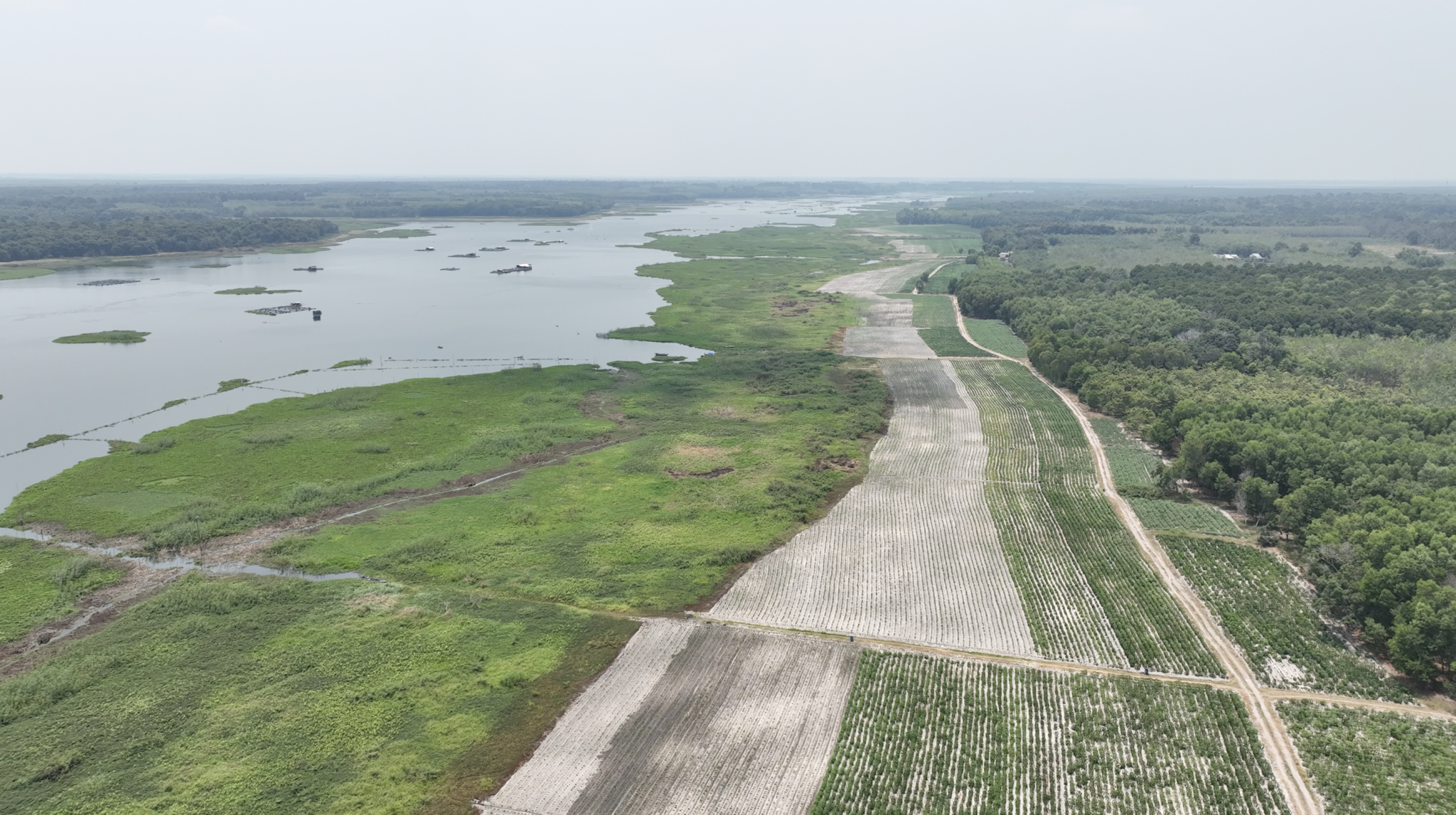
Article from Ms. Nguyen Thi Huong Giang, NCS for Sustainable Development.
Starting in April every year, millions of people in Manila, Philippines, face a familiar scene: Long queues in the middle of the night, carrying buckets in their armpits, waiting for water tankers to pass by.
On World Water Day 2026 in Manila, Environment and Natural Resources Minister Juan Miguel Cuna said: "The Philippines is facing the challenge of running out of water resources as national consumption exceeds nature's renewable capacity." The Philippine government was forced to declare a crisis, cut off domestic water on a rotating basis, and choke water sources for agriculture and industry.
The prospect of busy cities having to stop operating because of "thirst" is no longer a threat. According to a report by the World Resources Institute (WRI), by 2050, more than 50% of the global population will face water stress.
VIETNAM: THE PARADOX OF "EXCESS RAIN BUT STILL LACK OF WATER"
The world is "thirsty". The story from your country right next to the wall is a warning to our country. Vietnam is a tropical monsoon country, a network of intertwined rivers, how can there be a lack of water? But the truth is that we are facing two realities:
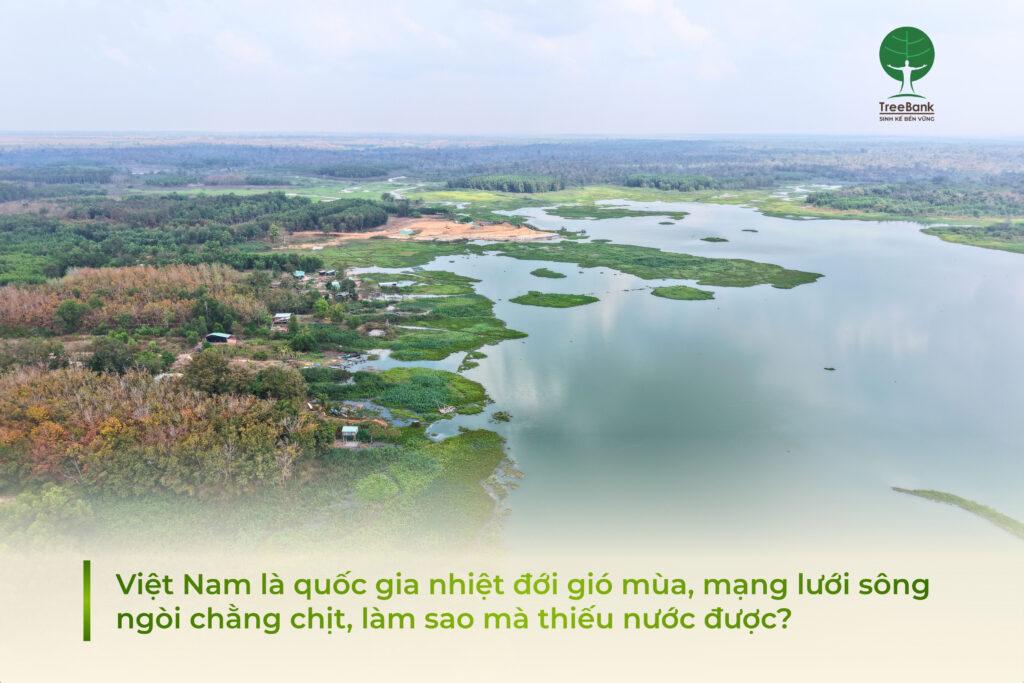
SO WHERE DID THE RAINWATER GO? WHY DOES IT RAIN A LOT BUT THE SOIL IS STILL THIRSTY?
This is the time to talk about the vital boundary between HAVING FORESTS and LOSING forests.
IT'S TIME TO NURTURE THE UNDERGROUND VEIN AGAIN!
According to the climate change scenario of the Ministry of Natural Resources and Environment, the rainfall in the rainy season increases causing floods, but the amount of rainfall in the dry season decreases deeply, causing drought.
Without strips of forests and lakes as "natural reservoirs", we would fall into a cycle: drowning in floods in the rainy season and thirsty in the dry season.
WATER IS NOT NATURALLY PRODUCED FROM THE TAP. THE WATER IS NOT ENDLESS. WATER STARTS IN THE FOREST. When we protect protection forests and plant new forest trees, we are not only greening the ground, we are pumping life back into the deep ground, preserving the lifeline for the future.
———————-
Scientific references:
———–
SERIES OF ARTICLES: SOUTHEAST LIFE CIRCUIT
Stay tuned to see Lesson 2: Dau Tieng Lake – How is the "water bag" of the Southeast beating the survival pulse under the pressure of lake bed sedimentation and the survival of protective forest strips?